
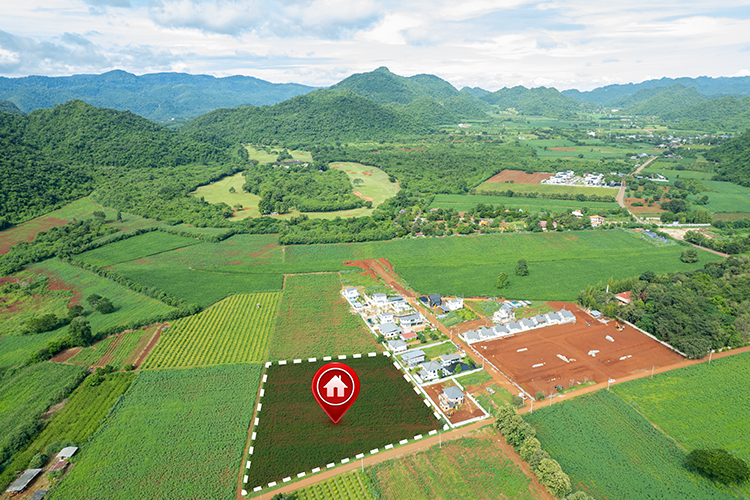
A “Change of Use” in land refers to the process of converting a property or piece of land from one designated use to another, such as changing agricultural land into industrial or residential land. This transformation is subject to specific legal and regulatory requirements. One of the primary considerations is compliance with local zoning laws, which dictate how land can be used in different areas. Zoning regulations vary by location, and non-compliance can result in legal challenges, fines, or project delays.
Environmental impact assessments are another critical factor. These assessments determine how the land-use change will affect the environment, including wildlife, water resources, and local ecosystems. Authorities may require mitigation plans to address any adverse impacts.

Additionally, securing the appropriate permits and approvals from local authorities is essential. This often involves a detailed review process, including public consultations and hearings, especially for changes that could significantly affect the community or environment. Properly navigating this process ensures the project’s legality and smooth progression.
Successful land-use conversion requires strategic planning, legal guidance, and active collaboration with local governments to ensure that all zoning, environmental, and permit requirements are met.
Request a Quote
Ready to Work Together? Build a project with us!